

Learning Objectives
By the end of this article, you will be able to
-
Understand what HVAC stands for and why HVAC systems are essential in modern buildings.
-
Explain the three core functions of HVAC:
-
Heating
-
Ventilation and
-
Air Conditioning.
-
-
Identify the major components of a typical commercial HVAC system, including Air Handling Units (AHUs), chillers, boilers, heat pumps, fans, filters and dampers.
-
Describe the journey of air through an HVAC system from intake to supply, return and exhaust.
-
Understand how ventilation contributes to occupant health, comfort and indoor air quality.
-
Explain how heating and cooling are generated and distributed throughout a building.
-
Recognise the role of Building Management Systems (BMS) in monitoring and controlling HVAC equipment.
-
Understand how heat recovery technologies improve energy efficiency and reduce operational costs.
-
Identify the differences between constant air volume (CAV) and variable air volume (VAV) systems.
-
Appreciate the importance of HVAC systems in critical environments such as healthcare facilities, laboratories and commercial buildings.
Estimated Reading Time: 30-60 minutes
Knowledge Level: Beginner to Intermediate
Category: HVAC Fundamentals & Building Services Engineering
CPD Value: 1 Hour (Approximately)
How HVAC Keeps Buildings Comfortable
A Beginner's Guide to Heating, Ventilation and Air Conditioning, By Paul Martin.
When most people walk into a modern office, hospital, school or leisure centre, they rarely think about what is happening behind the scenes to make the space comfortable. Yet every day, complex HVAC systems are working continuously to maintain temperature, control humidity, provide fresh air, and ensure healthy indoor air quality.
But what exactly is HVAC, and how does it work?
What Does HVAC Stand For?
HVAC stands for:
-
Heating
-
Ventilation
-
Air Conditioning
Together, these systems control the internal environment of a building to ensure occupant comfort, health, and productivity.
Whether it's keeping a hospital operating theatre sterile, maintaining comfortable temperatures in an office, or ventilating a school classroom, HVAC systems are an essential part of modern building services.
HVAC systems don't just control temperature. They also manage air quality, humidity, pressure, airflow and energy efficiency throughout a building.
Why Do Buildings Need HVAC?
Without HVAC systems, buildings would quickly become uncomfortable and potentially unhealthy environments.
HVAC systems perform several critical functions:
✅ Providing fresh outside air (Sometimes via HEPA Filters)
Example:
HEPA filters are commonly used in healthcare facilities, laboratories and cleanrooms because they can remove at least 99.95% (EU standard H13) or 99.97% (US standard) of airborne particles at the most penetrating particle size, helping to improve indoor air quality and reduce the spread of contaminants.
✅ Removing stale air and odours (Often with the aid of carbon filters)
Example:
Activated carbon filters can be used to remove odours, gases and certain volatile organic compounds (VOCs) from the air.
✅ Maintaining comfortable temperatures
Example:
Maintaining comfortable temperatures appropriate to the building's use, from a typical office temperature of around 21-23°C to tightly controlled healthcare environments such as operating theatres and hospital wards.
✅ Filtering dust, pollen and airborne contaminants
Example:
Using a range of filtration technologies, from ISO Coarse pre-filters that capture larger particles to H13 and H14 HEPA filters used in hospitals and cleanrooms, capable of removing extremely fine airborne contaminants.
✅ Controlling humidity levels
Example:
To maintain a comfortable indoor environment. Most occupied spaces are designed to operate between 40% and 60% relative humidity, helping to reduce dryness, condensation and the risk of mould growth while improving occupant comfort.
Real-World Example
20% RH: Dry eyes, sore throat, static electricity.
40-60% RH: Comfortable for most occupants.
Above 70% RH: Increased risk of condensation, mould growth and poor indoor air quality.
✅ Preventing mould and condensation
Example:
by controlling humidity and ensuring adequate ventilation. For example, an office maintained at approximately 21°C and 40-60% relative humidity is far less likely to experience condensation and mould growth than a poorly ventilated space operating at 75% relative humidity or higher.
✅ Supporting infection control in healthcare facilities
Example 1:
Through advanced filtration and ventilation strategies. For example, an operating theatre may use H13 HEPA filters and maintain a positive air pressure relative to surrounding areas, ensuring that clean air flows out of the theatre rather than allowing contaminated air to enter.
Example 2:
UV-C (Ultraviolet-C) is a short-wavelength ultraviolet light, typically between 200 and 280 nanometres (nm), that is used to destroy or deactivate microorganisms such as bacteria, viruses and mould spores.
In HVAC systems, UV-C lamps are commonly installed:
Near cooling coils
Above drain trays
Within Air Handling Units (AHUs)
In ductwork serving critical environments
The UV-C energy damages the DNA or RNA of microorganisms, preventing them from reproducing and making them harmless.
✅ Improving occupant comfort and wellbeing
Example:
By providing clean, fresh air and maintaining comfortable environmental conditions. For example, a well-ventilated office operating at 22°C and 50% relative humidity is likely to promote better concentration, productivity and overall wellbeing than a poorly ventilated space with excessive heat, humidity or stale air.
Key Note:
Modern buildings are designed to be highly energy efficient, which means they are often well insulated and relatively airtight. While this reduces energy consumption, it also makes controlled ventilation essential.
The Basic HVAC Cycle
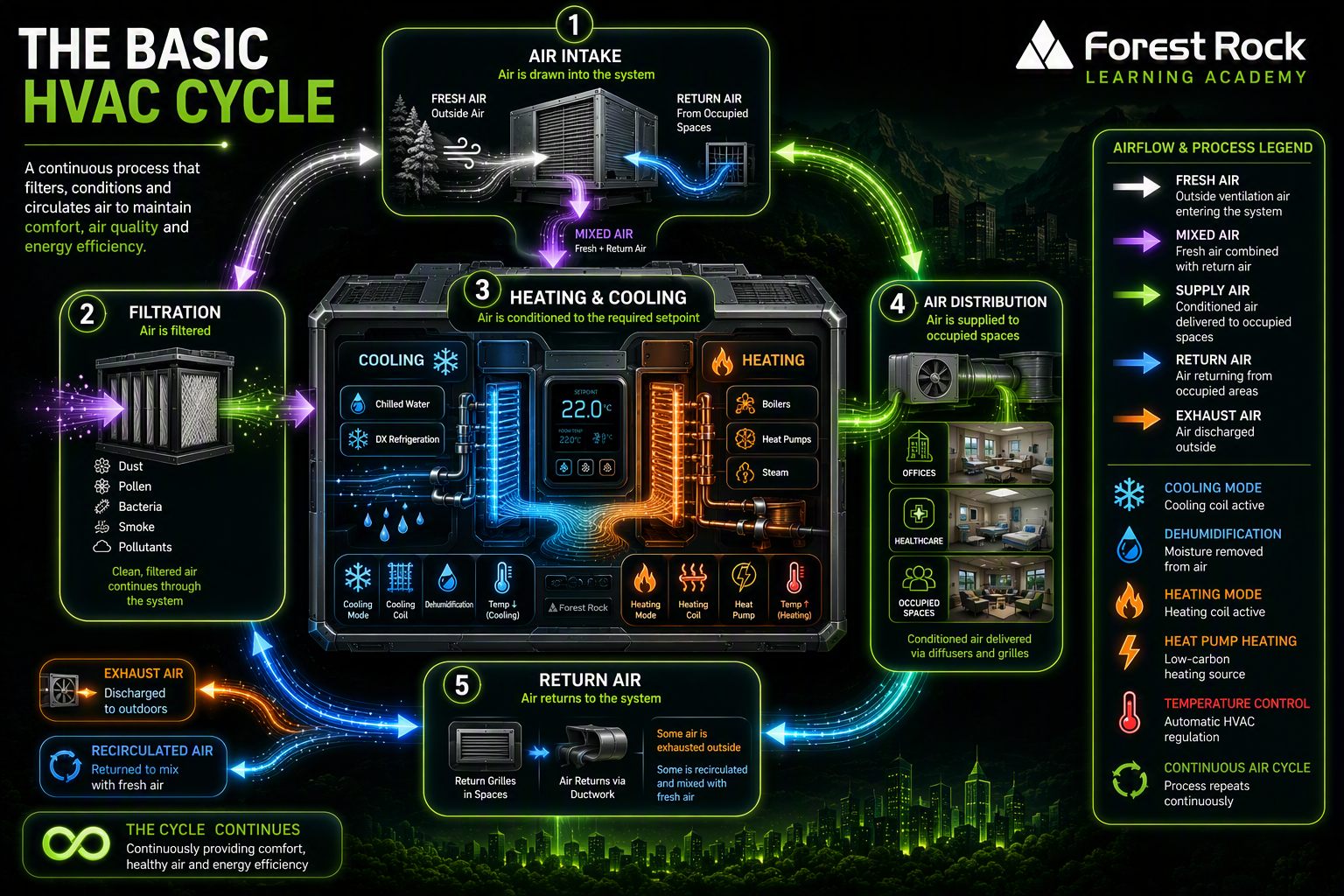
Step 1: Air Is Drawn Into The System
Air enters the HVAC system from two sources:
-
Fresh outside air
-
Return air from the occupied spaces
These air streams are mixed together in controlled proportions to meet ventilation requirements while conserving energy.
Step 2: Air Is Filtered
Before moving further through the system, the air passes through filters that remove contaminants such as:
-
Dust
-
Pollen
-
Smoke particles
-
Bacteria
-
Airborne pollutants
Depending on the application, filters can range from standard panel filters to high-efficiency HEPA filters used in healthcare environments.
Step 3: Air Is Heated or Cooled
The conditioned air then passes through heating or cooling coils.
For cooling:
-
Chilled water from a chiller system may circulate through cooling coils.
-
Direct Expansion (DX) coils may use refrigerant from a refrigeration system.
For heating:
-
Hot water from boilers
-
Low carbon heat pumps
-
Steam systems
The HVAC controls continuously monitor temperatures and adjust heating and cooling outputs to maintain the required setpoint.
Step 4: Air Is Distributed Around The Building
Large fans move the conditioned air through ductwork.
The air is then supplied to occupied spaces through diffusers or grills located in ceilings, walls or floors.
Step 5: Air Returns To The HVAC System
Once the air has circulated through the room, it returns to the HVAC system via return grilles and ductwork.
Some air is exhausted outside, while some is recirculated and mixed with fresh outdoor air to improve efficiency.
The cycle then repeats continuously.
The Main Components Of An HVAC System
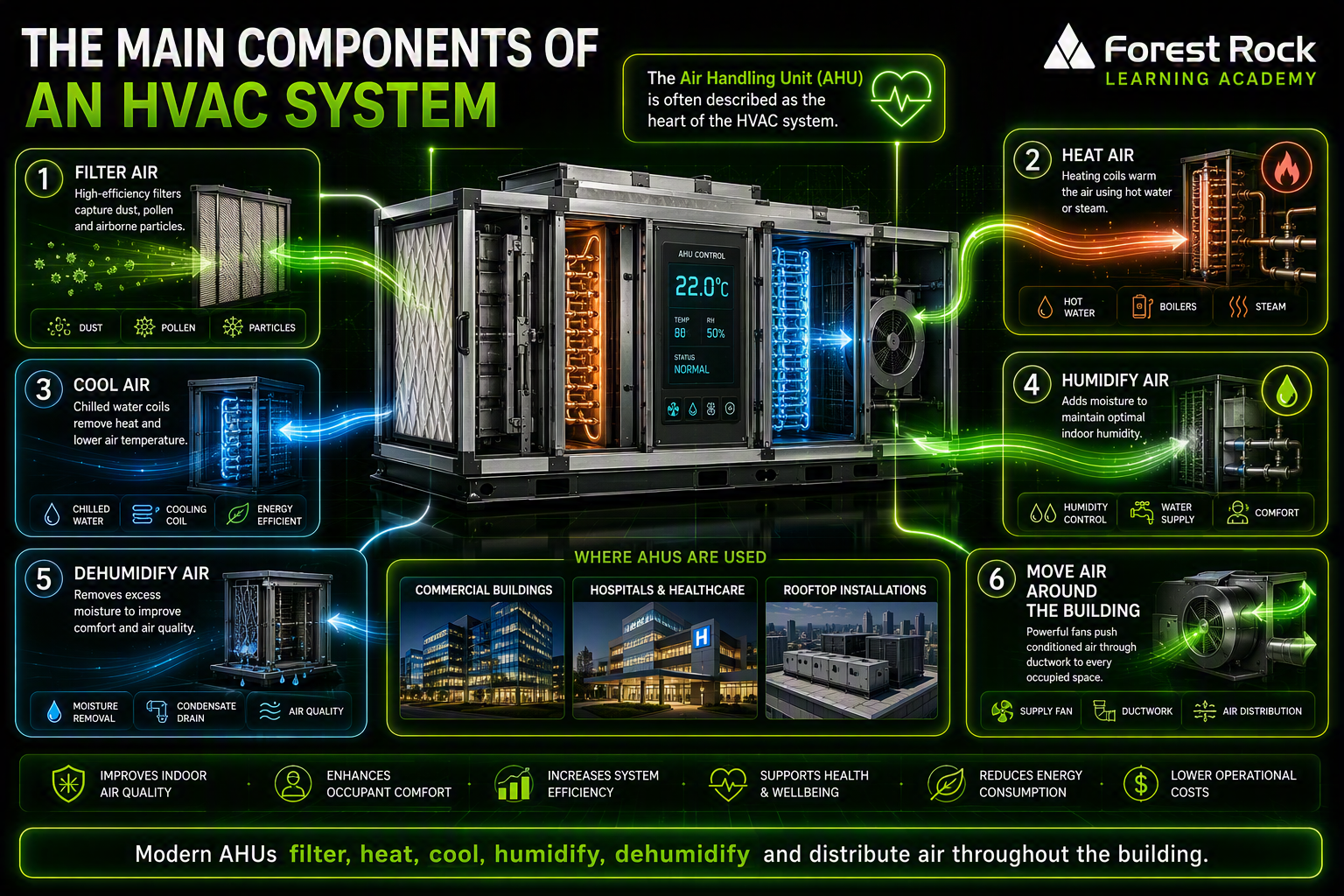
Although every installation is different, most commercial HVAC systems contain the following key components.
Air Handling Unit (AHU)
The Air Handling Unit (AHU) is often described as the heart of the HVAC system.
Its purpose is to:
-
Filter air
-
Heat air
-
Cool air
-
Humidify air
-
Dehumidify air
-
Move air around the building
Modern AHUs can range from small indoor units to massive rooftop installations serving entire hospitals and commercial facilities.
Chillers
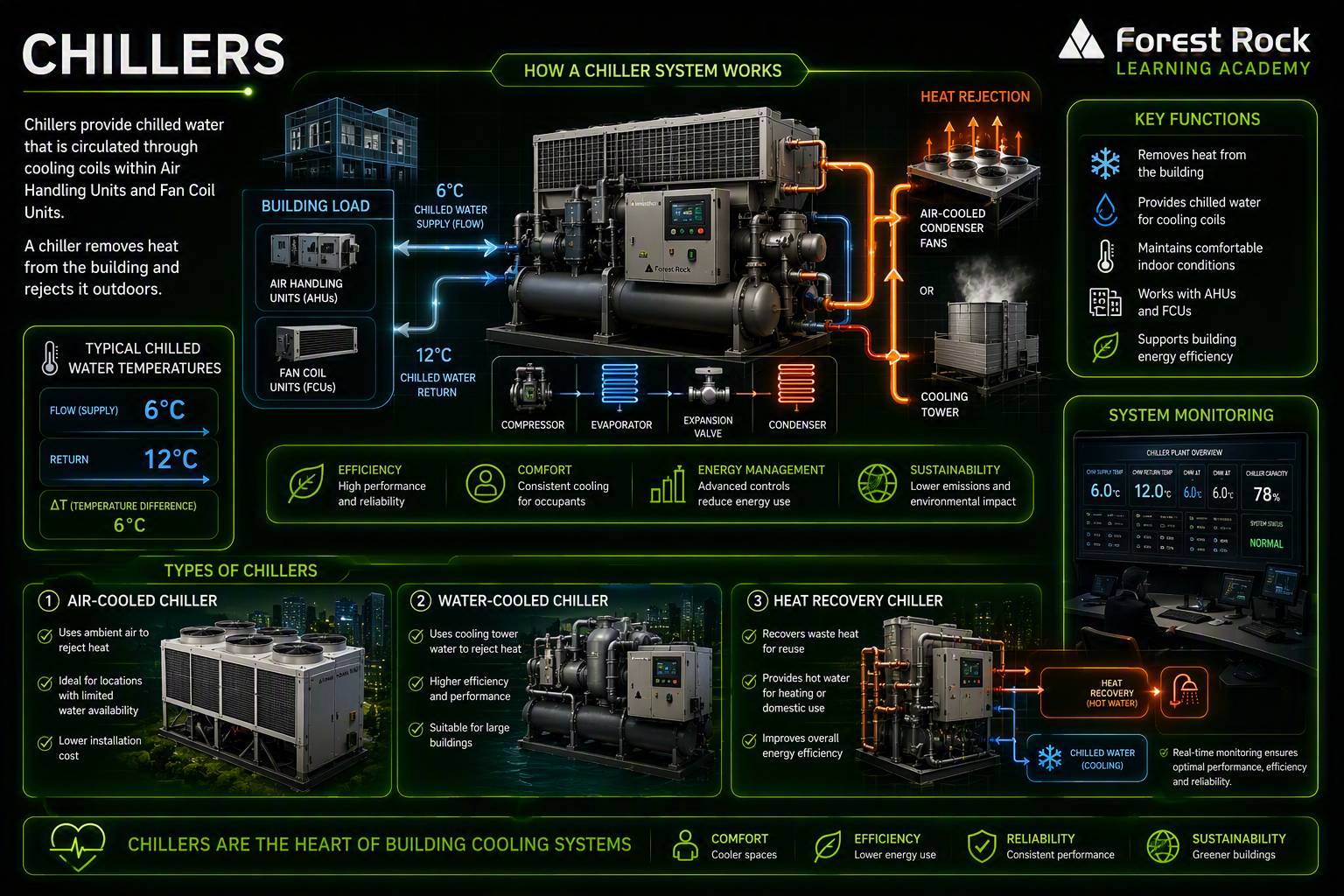
Chillers provide chilled water that is circulated through cooling coils within Air Handling Units and Fan Coil Units.
A chiller removes heat from the building and rejects it outdoors.
Typical chilled water temperatures are around:
-
Flow: 6°C
-
Return: 12°C
Chillers may be:
-
Air-cooled
-
Water-cooled
-
Heat recovery systems
Boilers and Heat Pumps
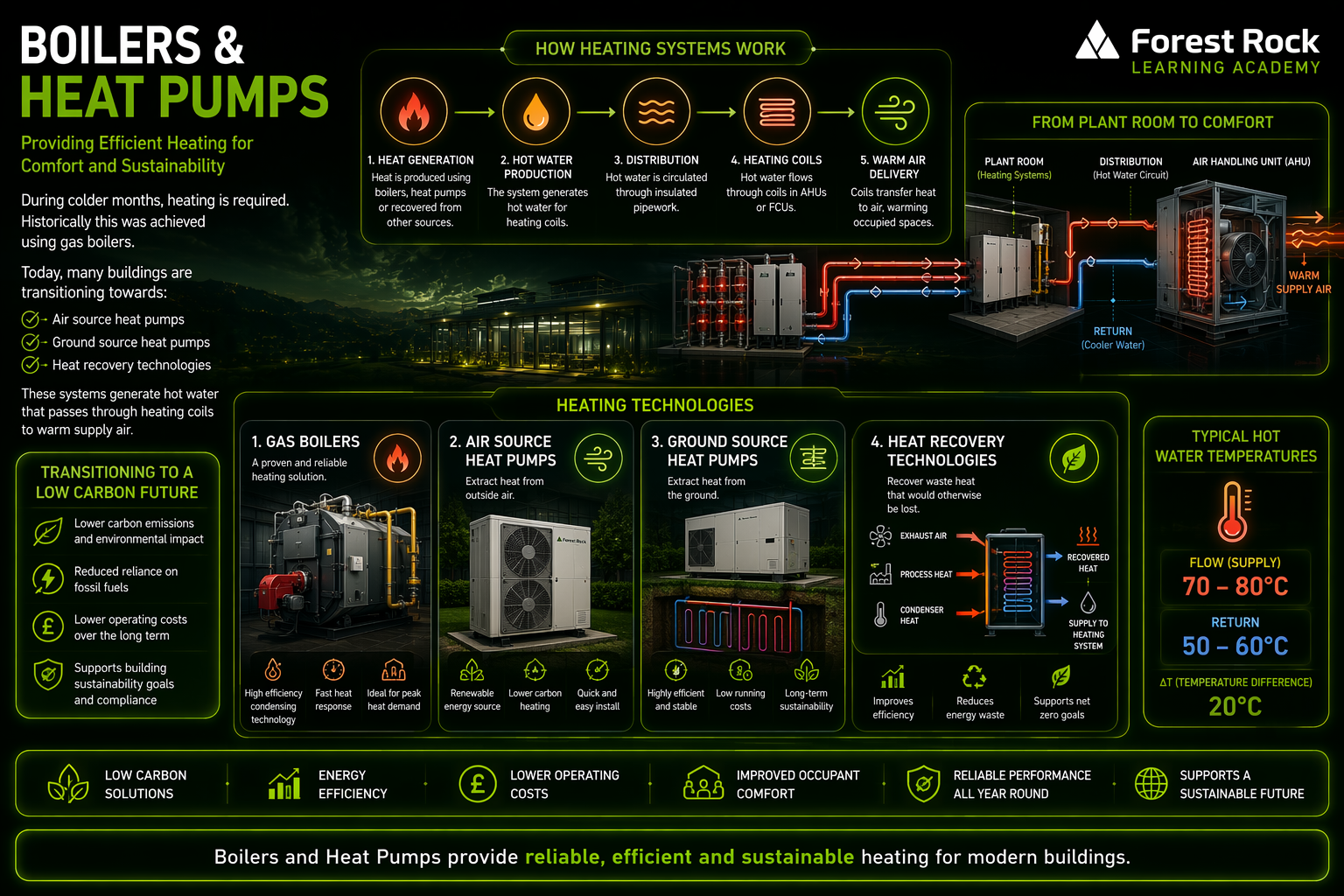
During colder months, heating is required. Historically this was achieved using gas boilers.
Today, many buildings are transitioning towards:
-
Air source heat pumps
-
Ground source heat pumps
-
Heat recovery technologies
These systems generate hot water that passes through heating coils to warm supply air.
Fans
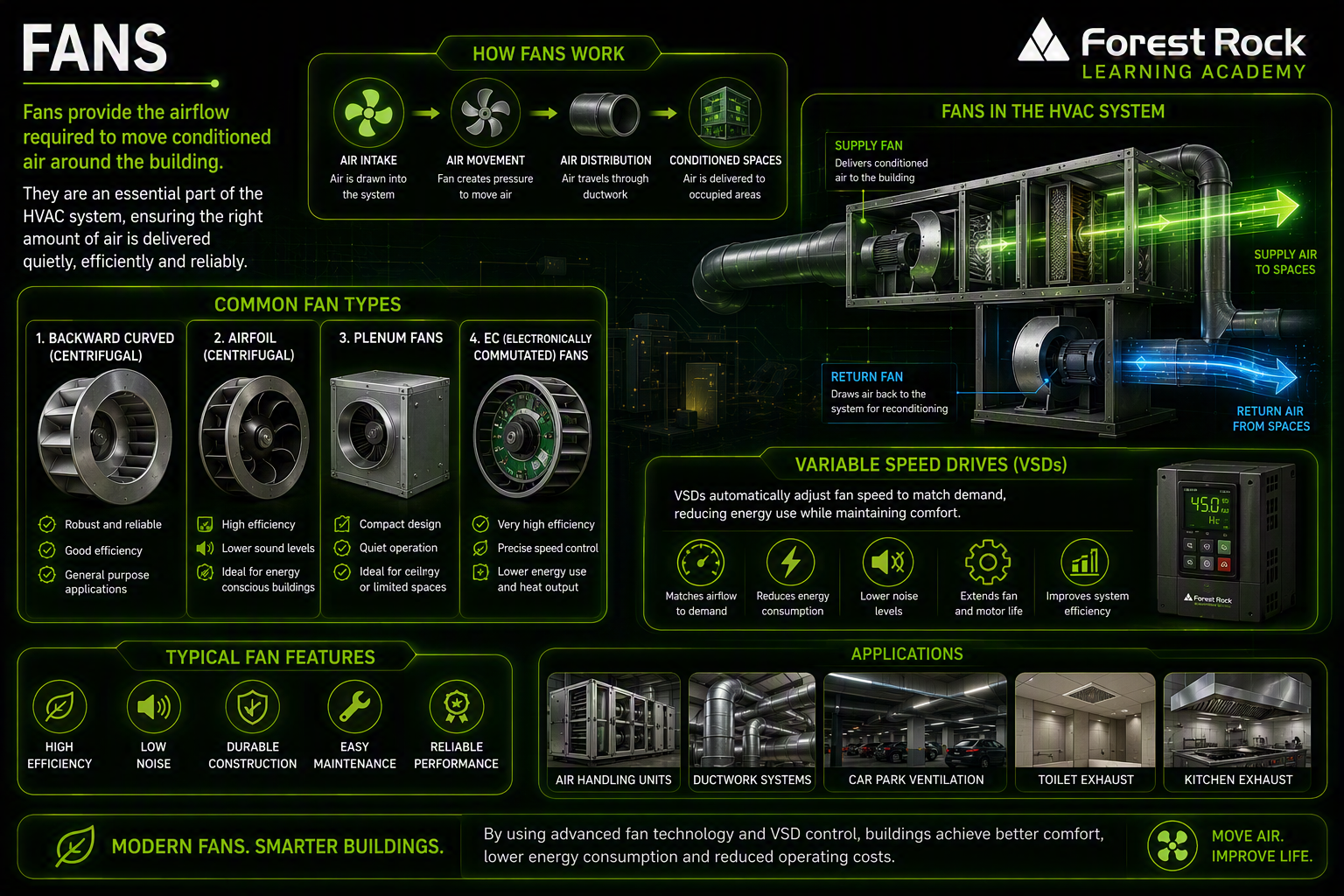
Fans provide the airflow required to move conditioned air around the building.
Common fan types include:
-
Backward curved
-
Airfoil
-
Plenum fans
-
EC (Electronically Commutated) fans
Modern fans are often controlled by Variable Speed Drives (VSDs) to reduce energy consumption.
Dampers
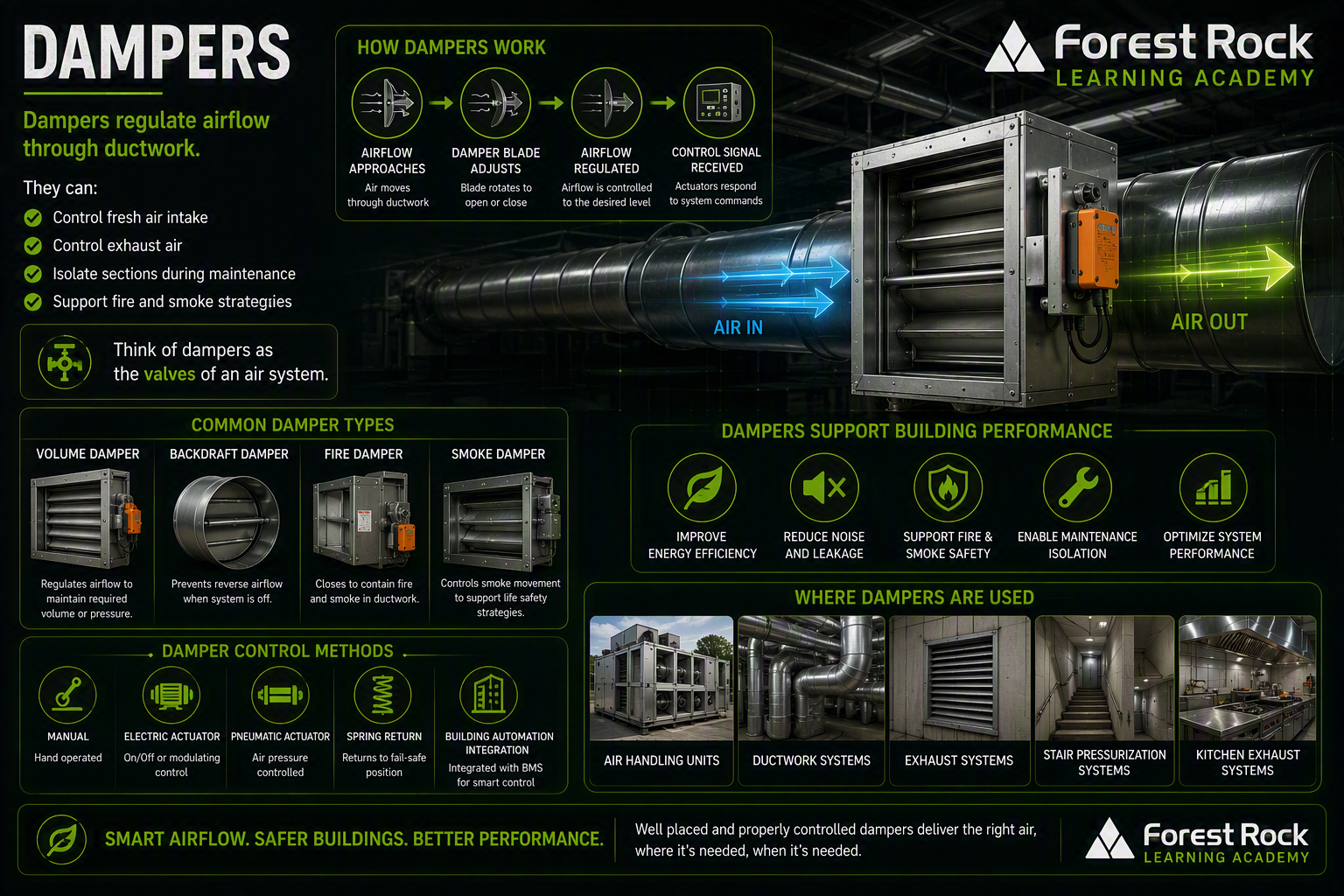
Dampers regulate airflow through ductwork.
They can:
-
Control fresh air intake
-
Control exhaust air
-
Isolate sections during maintenance
-
Support fire and smoke strategies
Think of dampers as the valves of an air system.
Sensors and Controls
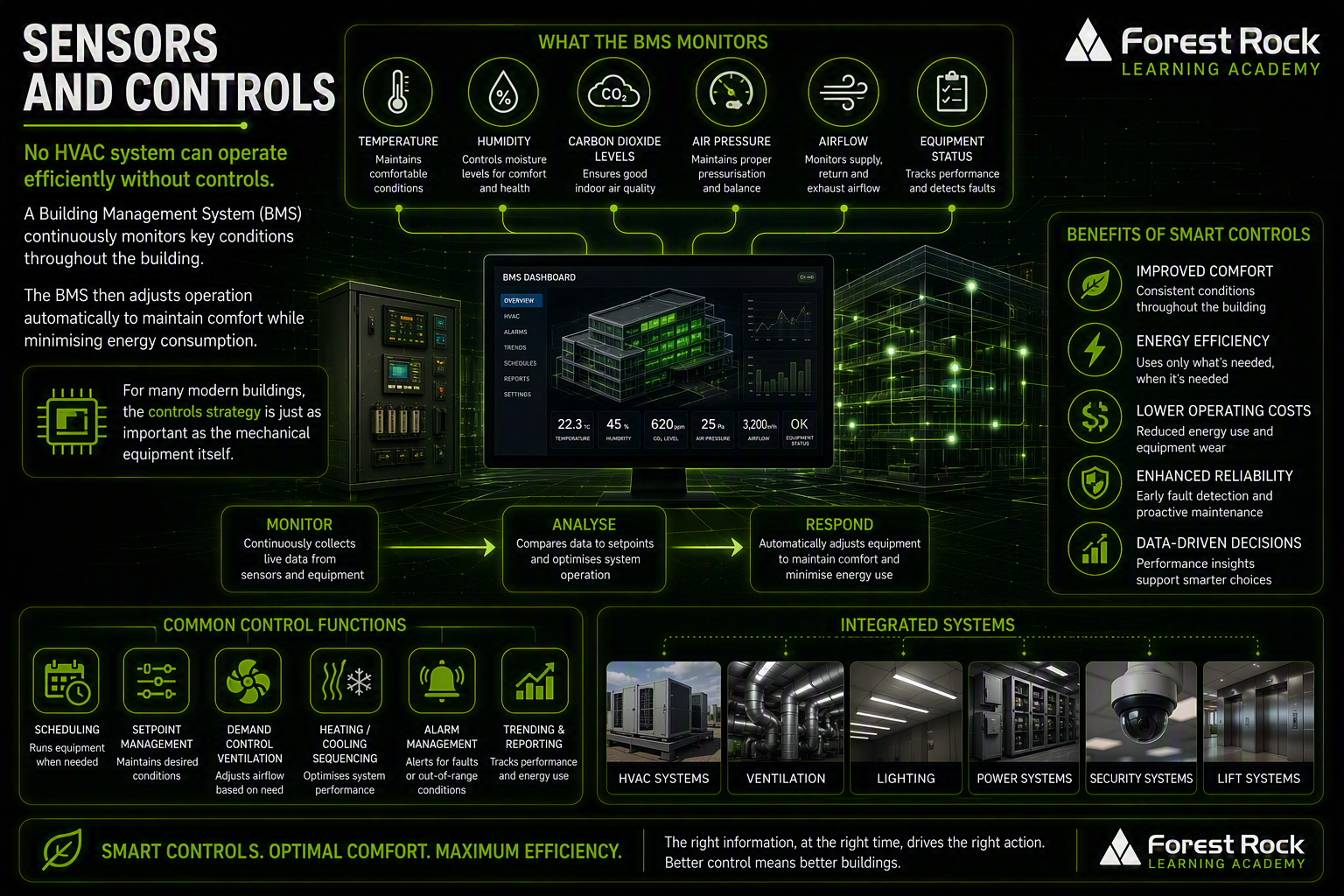
No HVAC system can operate efficiently without controls.
A Building Management System (BMS) continuously monitors:
-
Temperature
-
Humidity
-
Carbon dioxide levels
-
Air pressure
-
Airflow
-
Equipment status
The BMS then adjusts operation automatically to maintain comfort while minimising energy consumption.
For many modern buildings, the controls strategy is just as important as the mechanical equipment itself.
Ventilation Explained
One of the most important parts of HVAC is ventilation.
Ventilation removes stale indoor air and replaces it with fresh outdoor air.
Poor ventilation can cause:
-
Drowsiness
-
Reduced concentration
-
Odours
-
High CO₂ levels
-
Condensation
-
Mould growth
Ventilation rates are carefully calculated by designers based on:
-
Room occupancy
-
Building use
-
Applicable guidance and standards
-
Indoor air quality requirements
Healthcare, laboratories and pharmaceutical facilities often require significantly higher ventilation rates than offices.
What Is Heat Recovery?
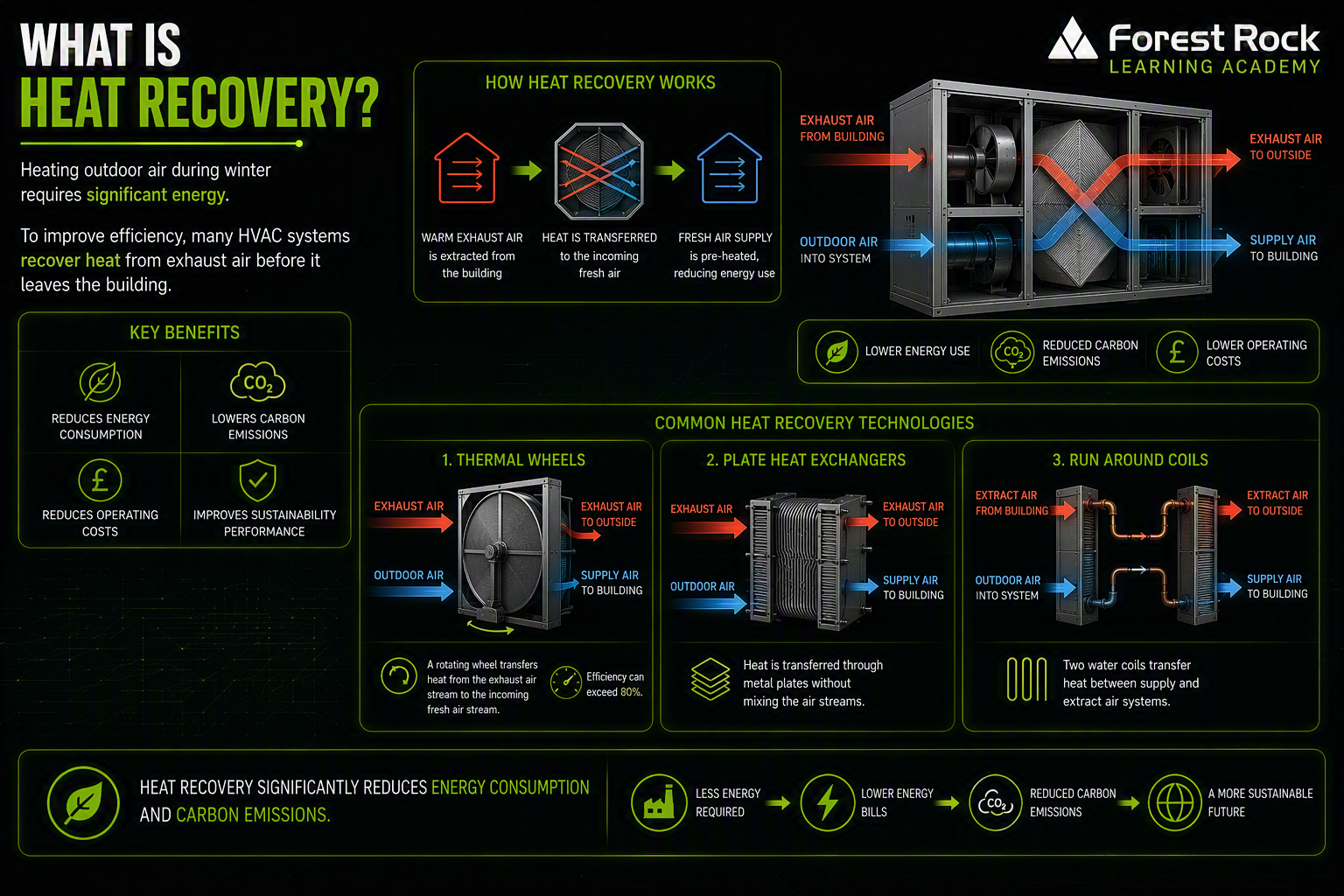
Heating outdoor air during winter requires significant energy.
To improve efficiency, many HVAC systems recover heat from exhaust air before it leaves the building.
Common heat recovery technologies include:
Thermal Wheels
A rotating wheel transfers heat from the exhaust air stream to the incoming fresh air stream.
Efficiency can exceed 80%.
Plate Heat Exchangers
Heat is transferred through metal plates without mixing the air streams.
Run Around Coils
Two water coils transfer heat between supply and extract air systems.
Heat recovery significantly reduces energy consumption and carbon emissions.
Variable Air Volume (VAV) Systems
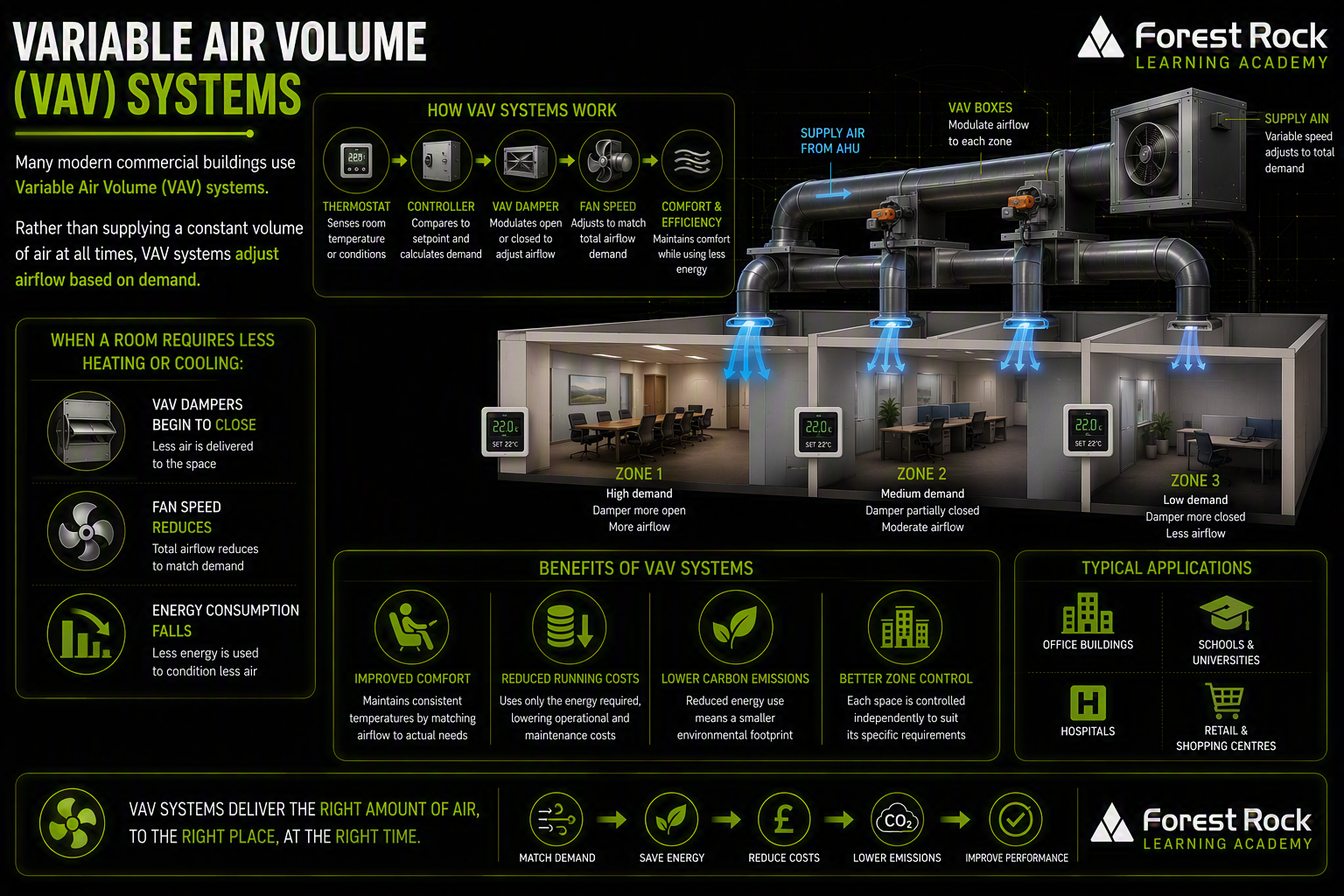
Many modern commercial buildings use Variable Air Volume (VAV) systems.
Rather than supplying a constant volume of air at all times, VAV systems adjust airflow based on demand.
When a room requires less heating or cooling:
-
VAV dampers begin to close
-
Fan speed reduces
-
Energy consumption falls
Benefits include:
-
Improved comfort
-
Reduced running costs
-
Lower carbon emissions
-
Better zone control
HVAC In Healthcare Environments
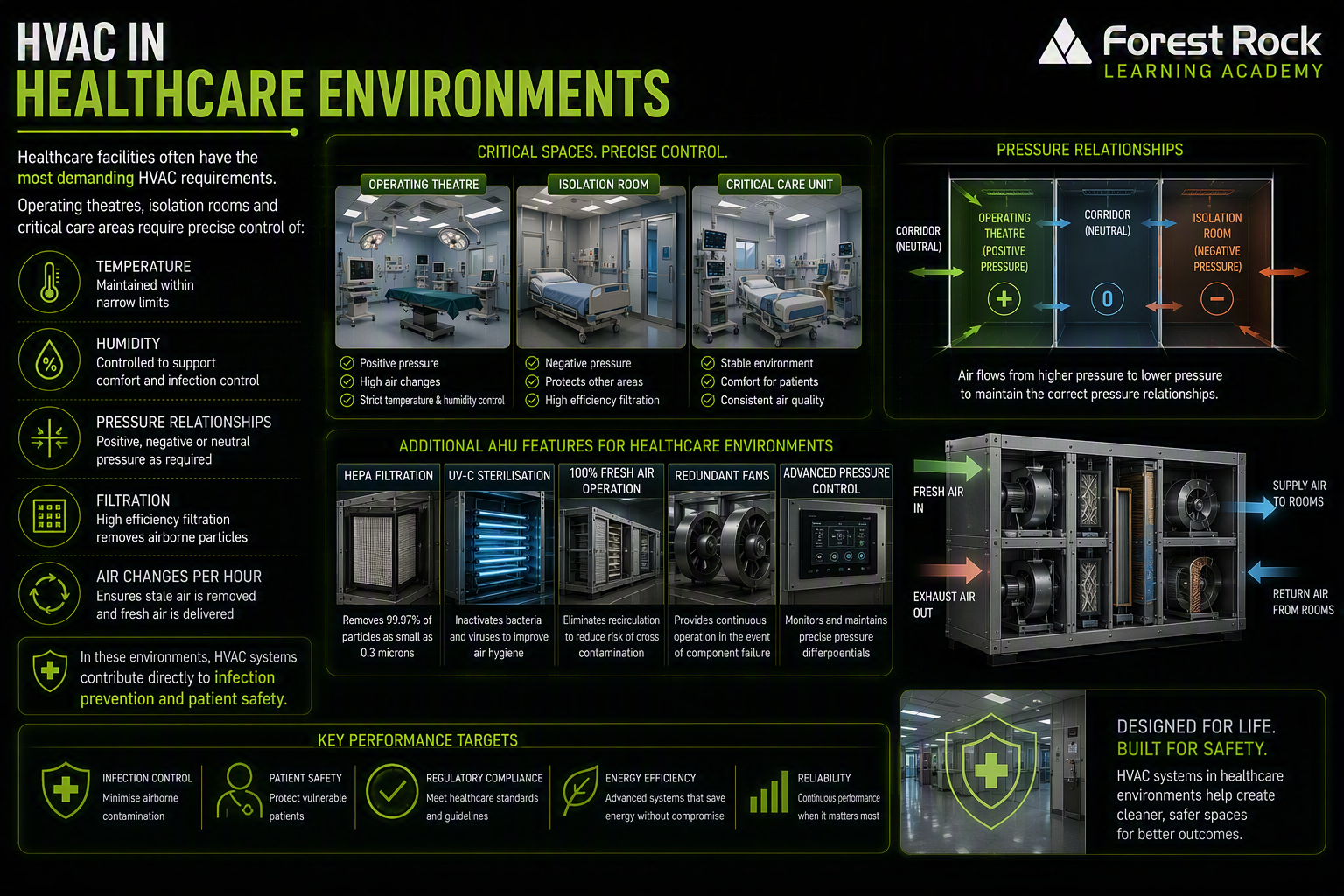
Healthcare facilities often have the most demanding HVAC requirements.
Operating theatres, isolation rooms and critical care areas require precise control of:
-
Temperature
-
Humidity
-
Pressure relationships
-
Filtration
-
Air changes per hour
Additional AHU features may include:
-
HEPA filtration
-
UV-C sterilisation
-
100% fresh air operation
-
Redundant fans
-
Advanced pressure control
In these environments, HVAC systems contribute directly to infection prevention and patient safety.
HVAC And Energy Efficiency
Buildings account for a significant proportion of global energy consumption, and HVAC systems are often the largest energy users within commercial facilities.
Modern energy-efficient HVAC technologies include:
-
Heat recovery systems
-
EC fan motors
-
Variable speed drives
-
Heat pumps
-
Demand-controlled ventilation
-
Occupancy-based control strategies
-
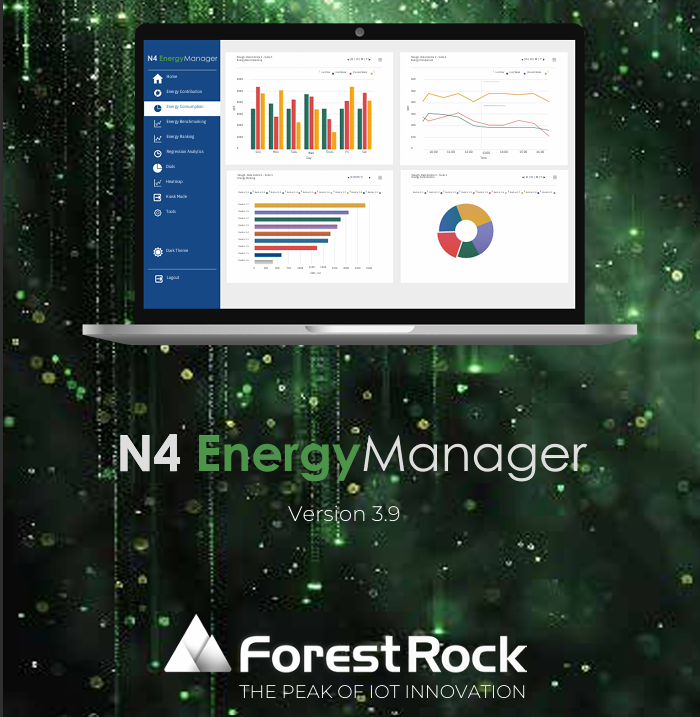
Advanced BMS optimisation using Forest Rock’s N4 Energy Manager Software
The objective is simple:
Deliver the required comfort and indoor air quality using the lowest possible amount of energy.
Conclusion
HVAC systems are far more than just heating and cooling equipment. They provide the fresh, clean and conditioned air that allows occupants to remain comfortable, productive and healthy throughout the year.
From Air Handling Units and chillers to heat pumps, filters and intelligent Building Management Systems, every component plays a role in creating a safe and efficient indoor environment.
Understanding how HVAC works is the first step towards understanding the wider world of building services engineering, where comfort, sustainability and technology all work together behind the scenes.
CPD Knowledge Assessment
Multiple Choice Questions
1. What does HVAC stand for?
A) Heating, Ventilation and Air Cooling
B) Heating, Ventilation and Air Conditioning
C) Heat, Vacuum and Air Conditioning
D) Heat, Ventilation and Air Control
Answer: B
2. What is the primary purpose of ventilation within an HVAC system?
A) To increase humidity levels
B) To provide fresh air and remove stale air
C) To reduce water consumption
D) To generate heating
Answer: B
3. Which component is commonly described as the "heart" of a commercial HVAC system?
A) Chiller
B) Boiler
C) Air Handling Unit (AHU)
D) Damper
Answer: C
4. What is the typical chilled water flow temperature supplied by a chiller?
A) 60°C
B) 21°C
C) 12°C
D) 6°C
Answer: D
5. Which device is used to regulate airflow within ductwork?
A) Coil
B) Damper
C) Heat Exchanger
D) Sensor
Answer: B
6. Which of the following is a benefit of heat recovery?
A) Increased water consumption
B) Reduced ventilation rates
C) Lower energy consumption
D) Increased carbon emissions
Answer: C
7. Which HVAC technology adjusts airflow according to room demand?
A) CAV System
B) VAV System
C) DX Coil
D) Thermal Wheel
Answer: B
8. What indoor relative humidity range is generally considered comfortable for occupants?
A) 10-20% RH
B) 20-30% RH
C) 40-60% RH
D) 80-90% RH
Answer: C
9. What is one of the main functions of a Building Management System (BMS)?
A) Generating electricity
B) Monitoring and controlling HVAC equipment
C) Producing chilled water
D) Cleaning air filters
Answer: B
10. Why are HVAC systems particularly important in healthcare environments?
A) To provide decorative lighting
B) To improve Wi-Fi coverage
C) To support infection control and patient safety
D) To reduce water pressure
Answer: C
Reflective Questions
These questions encourage learners to apply the knowledge to real-world situations.
1. Think about a building you regularly occupy. Can you identify any visible HVAC components such as diffusers, grilles, thermostats or ventilation equipment?
2. How might poor ventilation impact the comfort, wellbeing and productivity of occupants within your workplace?
3. What HVAC strategies could help reduce energy consumption within your own building or facility?
4. Why is humidity control important, and what problems could occur if humidity levels are too high or too low?
5. How could a Building Management System help facilities teams identify and resolve HVAC issues before occupants are affected?
6. Consider a healthcare facility, laboratory or cleanroom. Why might the ventilation and filtration requirements be more demanding than those in a standard office?
7. Can you think of an example where heat recovery could reduce operating costs within a building you are familiar with?
8. What benefits might a Variable Air Volume (VAV) system offer compared with a Constant Air Volume (CAV) system?
CPD Declaration Statement
CPD Declaration
Upon completion of this article, knowledge assessment and reflective exercise, learners should be able to explain the fundamental principles of HVAC operation, identify the major components of a commercial HVAC system, understand the role of ventilation and heat recovery, and recognise how Building Management Systems contribute to occupant comfort, energy efficiency and indoor air quality.
Recommended CPD Value: 1 Hour
Pass Mark (Optional): 80% (8/10 correct answers)
Forest Rock Learning Academy
At Forest Rock, we specialise in intelligent Building Management Systems that help operators monitor, control and optimise HVAC performance. Whether you're new to the industry or looking to develop your technical knowledge, the Learning Academy provides practical guidance and real-world insight into the technologies that keep modern buildings running efficiently.
If you need more help:
Then why not contact our sales or support team.

sales@forestrock.co.uk or support@forestrock.co.uk
Learn | Integrate | Innovate
Welcome to the Forest Rock Learning Academy.
Real Knowledge. Real Engineers. Real Solutions.